Revenge: Argentina vs. England, 1986 FIFA World Cup
- Mayumi Hauser
- Nov 8, 2025
- 2 min read


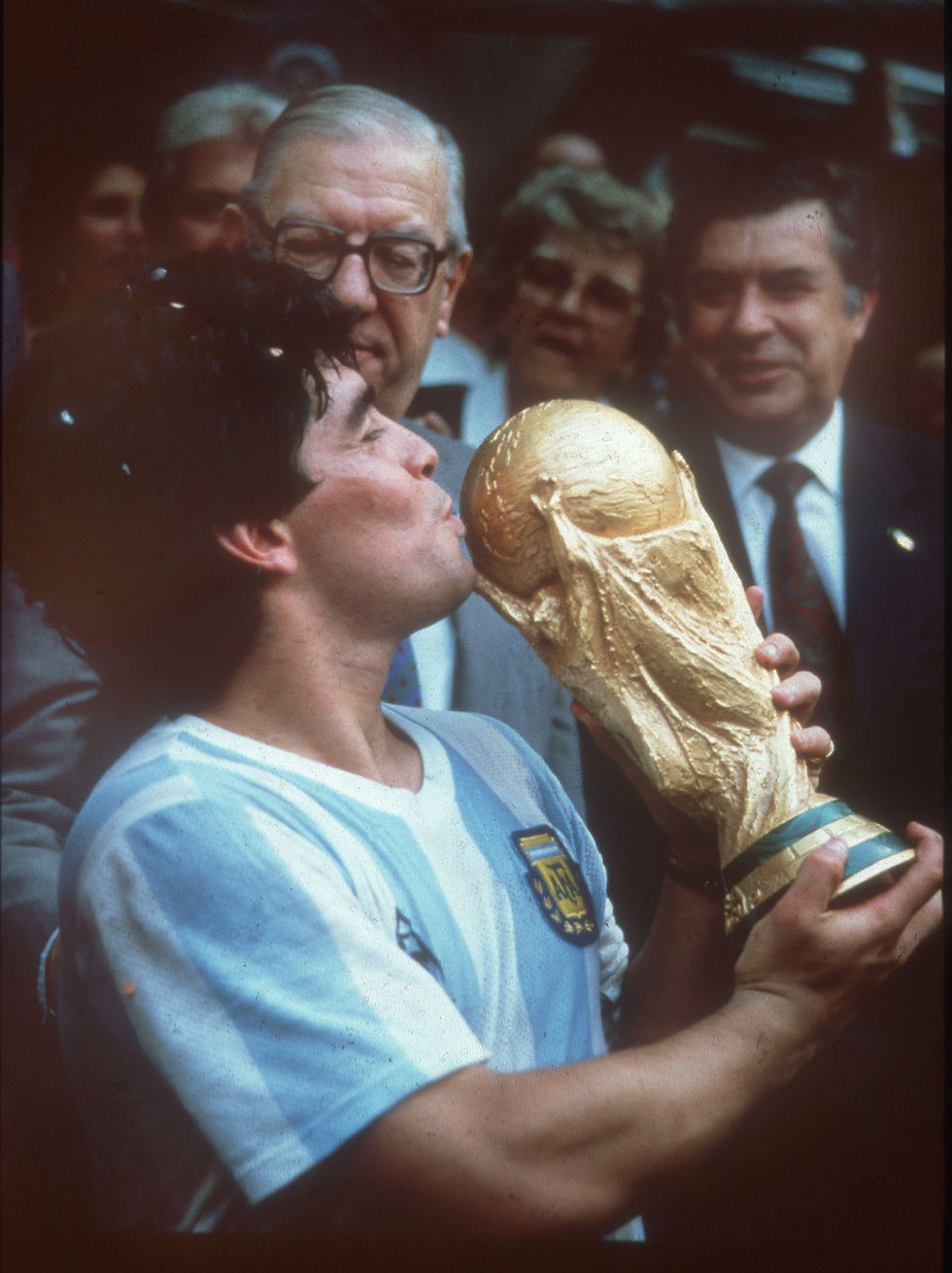
Argentina vs. England, the quarterfinal of the 1986 World Cup, is a game that lives in infamy—Maradona’s “Hand of God” and “Goal of the Century” cemented into history, as well as England’s outrage over the result of the game. But there’s more than meets the eye when it comes to the game that everyone associates the “Hand of God” with.
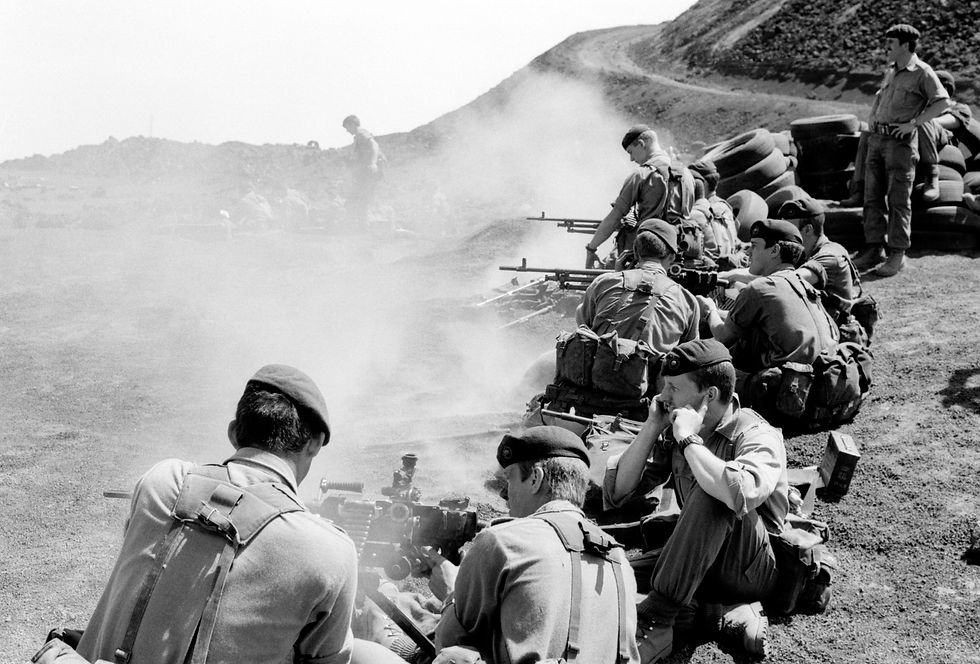
Four years prior to the 1986 World Cup, the short-lived Falklands War raged over the sovereignty of the Falkland Islands and South Georgia and the South Sandwich Islands—Argentina claimed the islands were their territory (and still do), while the United Kingdom claimed they were theirs. The conflict ended after 74 days, when Argentina surrendered. In total, 649 Argentine military personnel, 255 British military personnel, and three Falkland Islanders died in the conflict. All that to say, when Argentina stepped onto the pitch to play England in 1986, it was more than a game for them in that moment. [1]
Argentina wanted revenge for their loss, and the opportunity to win against England in the World Cup gave them exactly that. In his 2006 autobiography Yo Soy El Diego, Maradona recalled that “It was like beating a country, not a football team. Although we said before the game that football had nothing to do with the Malvinas War, we knew that a lot of Argentine kids had died there, that they had mowed us down like little birds,” and that “This was our revenge, it was… recovering a part of the Malvinas. We all said beforehand that we shouldn’t mix the two things, but that was a lie. A lie! We didn’t think of anything except that, like hell it was going to be just another game.” [2] Former Argentine footballer Roberto Perfumo echoed the sentiment, claiming, “In 1986, winning that game against England was enough. Winning the World Cup was secondary for us. Beating England was our real aim.” [3]
Although the war had been four years prior, it was obviously still present in the players’ minds and served as a motivation for them to go on and win the game. When people think of the 1986 Argentina vs. England game, the “Hand of God” will likely always be the first thought, but it’s safe to say that the “Hand of God” was the product of a game that Argentina felt they had to win—not just as a match to further their path to the World Cup final, but as a moment to avenge their loss in the Falklands War.
Citations:
[1] Britannica Editors. (2025, October 17). Falkland Islands War | Summary, casualties, facts, & Map. Encyclopedia Britannica. https://www.britannica.com/event/Falkland-Islands-War
[2] Healy, J. (2020, November 26). How Diego Maradona used the Hand of God to claim revenge for a bloody conflict between Britain and Argentina. ABC News. https://www.abc.net.au/news/2020-11-26/diego-maradona-hand-of-god-1986-world-cup-quarter-final/12922018
[3] Falklands and football: Diego Maradona’s “Hand of God” goal. (2016, February 20). Soccer Politics / the Politics of Football. https://sites.duke.edu/wcwp/capturing-the-game/goals/falklands-and-football-diego-maradonas-hand-of-god-goal/
Comments